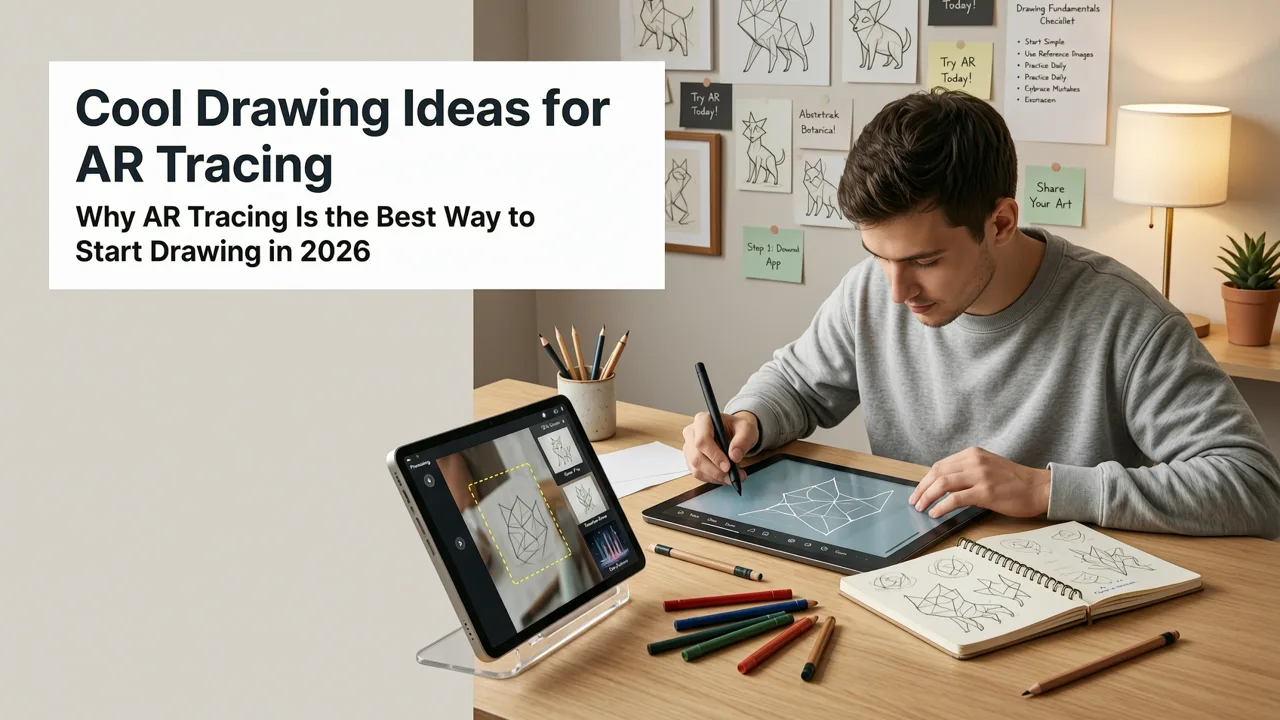
Why AR Tracing is the Best Way to Start Drawing in 2026
Looking for cool drawing ideas for ar tracing to kickstart your artistic journey? You are in the right place. In 2026, augmented reality has completely transformed how beginners learn to sketch, making it easier than ever to turn a blank sheet of paper into a masterpiece. You no longer need expensive light boxes, complicated projectors, or years of art school training to get your proportions right.
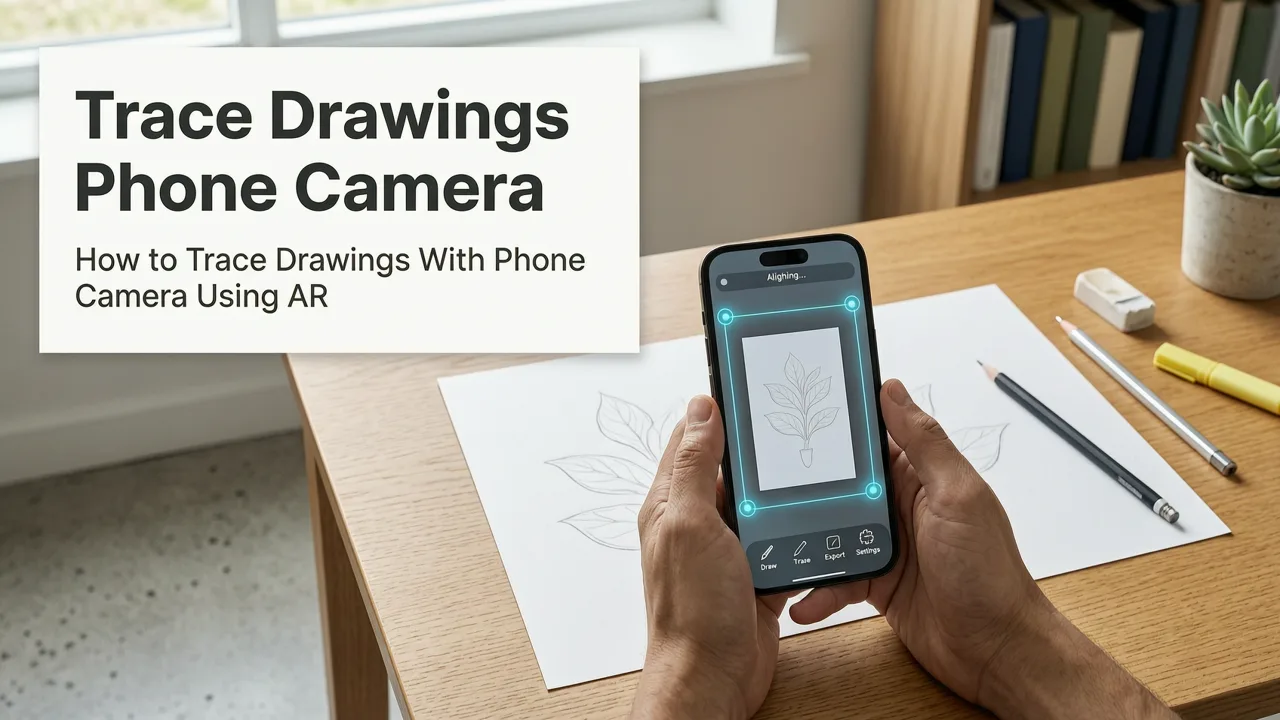
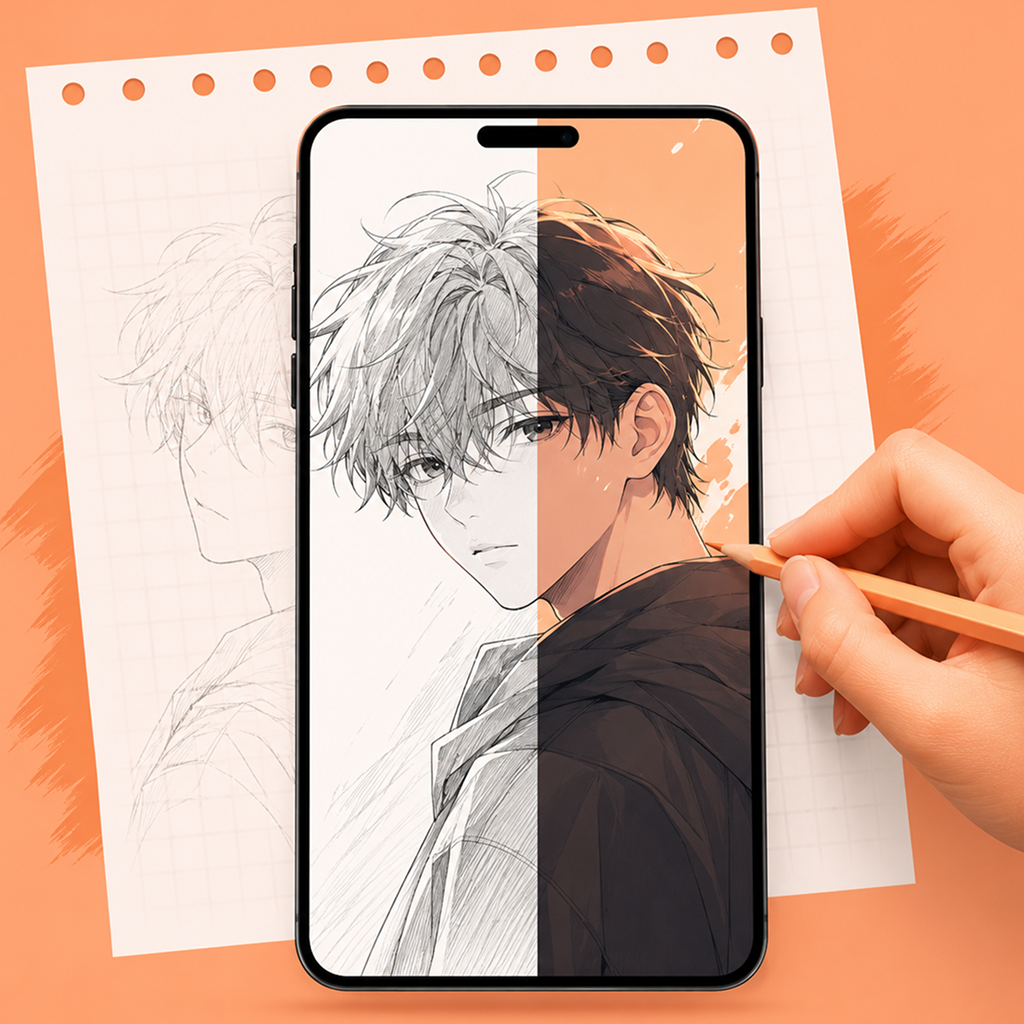
When you use your smartphone camera as a tracing guide, the digital overlay projects your chosen image directly onto your paper. This allows you to focus on hand control, line confidence, and shading rather than worrying about structural accuracy from day one. Whether you want to sketch a realistic portrait, a cute cartoon character, or an intricate mandala, AR tracing bridges the gap between your imagination and the page.
Finding the right subject is the first step to building your confidence. The best projects are those that challenge you just enough without causing frustration. Below, we have curated a comprehensive list of cool drawing ideas for ar tracing, broken down by category and difficulty, to keep your creative momentum going all year long.
Da Vinci Eye AR Tracing App Review | #DaVinciEye
by mdcampbellart
30 Cool Drawing Ideas for AR Tracing by Category
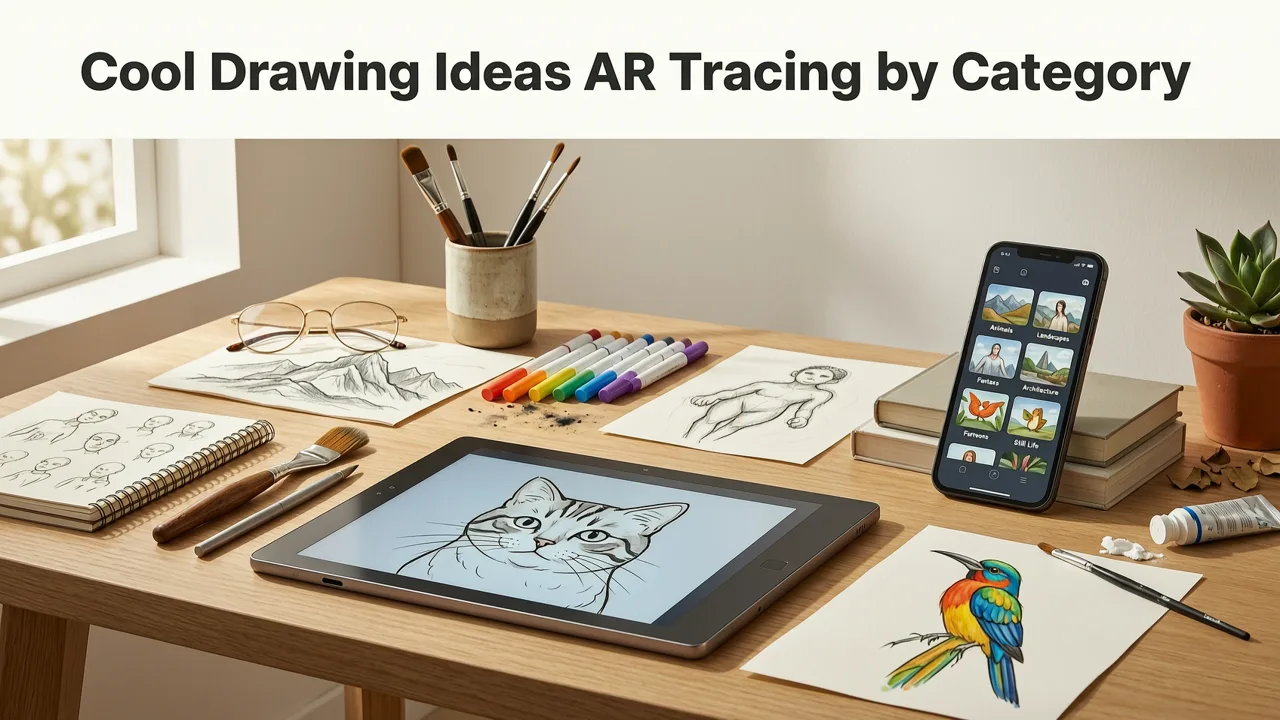
To make your planning easier, we have organized 30 fantastic subjects into five distinct categories. Each idea is selected because it works exceptionally well with augmented reality overlays. High-contrast images and clear outlines translate best through your phone screen, ensuring your tracing experience is smooth and accurate.
| Category | Subject Idea | Difficulty Level |
|---|---|---|
| Animals & Pets | Golden Retriever Portrait | Beginner |
| Sitting Cat Silhouette | Beginner | |
| Realistic Horse Head | Intermediate | |
| Bumblebee in Flight | Beginner | |
| Owl Perched on a Branch | Intermediate | |
| Sea Turtle Swimming | Advanced | |
| Nature & Florals | Single Rose Bloom | Beginner |
| Daisy Chain | Beginner | |
| Monstera Leaf | Intermediate | |
| Sunflower Center Detail | Intermediate | |
| Cherry Blossom Branch | Advanced | |
| Lotus Flower from Above | Advanced | |
| Pop Culture & Characters | Classic Anime Eye | Beginner |
| Cartoon Character Bust | Beginner | |
| Sci-Fi Helmet Design | Intermediate | |
| Fantasy Dragon Head | Advanced | |
| Mechanical Robot Hand | Advanced | |
| Superhero Logo | Beginner | |
| Mandalas & Geometry | Basic Circular Mandala | Beginner |
| Geometric Animal Skull | Intermediate | |
| Sacred Geometry Pattern | Intermediate | |
| Optical Illusion Tunnel | Advanced | |
| Interlocking 3D Cubes | Advanced | |
| Low-Poly Landscape | Intermediate | |
| Everyday Objects | Vintage Camera | Intermediate |
| Coffee Cup with Steam | Beginner | |
| Sneaker Side Profile | Advanced | |
| Acoustic Guitar Body | Intermediate | |
| Wristwatch Close-Up | Advanced | |
| Classic Sneaker Sole | Beginner |
Deep Dive: Top Categories for Your Next AR Sketch

Animals and Pets
Animals are universally loved and make for incredibly rewarding tracing projects. The key to sketching animals successfully is capturing the essence of their fur and the shape of their eyes. When you trace a pet portrait, the AR overlay helps you map out the facial proportions perfectly, which is often the hardest part for beginners.
If you want to start with a furry friend, check out our detailed guide on how to draw a dog step by step with your phone. It breaks down the process of aligning your overlay and capturing those expressive eyes. For more inspiration, explore our curated list of easy cute animals to sketch, which features approachable subjects like bumblebees and rounded puppies that build confidence without frustration.
Nature and Florals
Floral sketches are a fantastic way to practice flowing lines and organic shapes. Unlike rigid geometric patterns, flowers require a gentle hand and an understanding of light and shadow. Tracing a rose or a daisy allows you to focus on the curvature of the petals and the depth of the center.
Nature lovers will enjoy our comprehensive flower drawing for beginners guide, which covers how to adjust your AR overlay for symmetrical blooms. If you want to master the classic, layered petals of a timeless bloom, read our specific tutorial on how to draw a rose step by step using AR tracing. These projects are perfect for creating beautiful greeting cards or botanical art prints.
Pop Culture and Characters
Drawing your favorite characters from anime, comics, or video games is a massive motivator. The stylized nature of these subjects means you are focusing heavily on line weight and expressive features. When tracing a cartoon character, the AR guide ensures that the head-to-body ratio remains accurate, preventing the common beginner mistake of drawing a head that is too large for the shoulders.
For pop culture subjects, choose reference images with bold, clean outlines. High-contrast black-and-white line art works exceptionally well through a phone camera, making the digital overlay crisp and easy to follow.
Mandalas and Geometric Patterns
If you find that your hand gets shaky when drawing long, straight lines or perfect circles, mandalas and geometric patterns are the ultimate practice tool. These designs are highly repetitive, which helps build muscle memory. Tracing a mandala with augmented reality allows you to rotate your paper and phone together, maintaining perfect symmetry without needing a compass.
Start with a basic circular mandala to get a feel for the radial symmetry. Once you are comfortable, move on to low-poly landscapes or geometric animal skulls, which require you to understand how light interacts with flat, angular planes.
Everyday Objects and Still Life
Still life drawing teaches you how to observe the world around you. Tracing everyday objects like a vintage camera or a coffee cup helps you understand perspective and foreshortening. When you trace a complex object like a wristwatch or a sneaker, you learn how to break down complicated mechanical or fabric structures into simpler, manageable shapes.
The benefit of using AR for still life is that you do not need to set up physical lighting or worry about objects moving. You can pause, adjust your lighting in the room, and take your time shading the digital overlay before committing ink to paper.
How to Choose the Right Reference Image for AR Tracing
Not all images are created equal when it comes to augmented reality tracing. To get the best results from your cool drawing ideas for ar tracing, you need to select reference photos that translate well through a smartphone camera.
Prioritize High Contrast
The AR overlay relies on your phone screen to project the image onto your paper. If your reference image is too dark, too bright, or lacks contrast, the overlay will be difficult to see in various lighting conditions. Look for images with distinct shadows and highlights. Black-and-white sketches or high-contrast photographs are ideal for beginners.
Look for Clear Outlines
Subjects with muddy or blurry edges will make tracing frustrating. Choose reference images where the subject is sharply in focus and clearly separated from the background. If you are tracing an animal, ensure the fur details are distinct enough to follow but not so chaotic that they overwhelm the screen.
Consider the Lighting Angle
When tracing, the direction of the light in your reference photo will dictate how you shade your drawing. If you choose a photo with dramatic side-lighting, you will have clear guidelines for where to place your darkest shadows and brightest highlights. Flat, front-lit images can sometimes look two-dimensional, so opt for reference photos that show depth and volume.
Pro Tips for Getting the Best Results with AR Tracing
Having a great subject is only half the battle. How you set up your workspace and interact with your augmented reality app will determine the final quality of your sketch. Follow these expert tips to ensure your tracing session is smooth and successful.
Secure Your Workspace
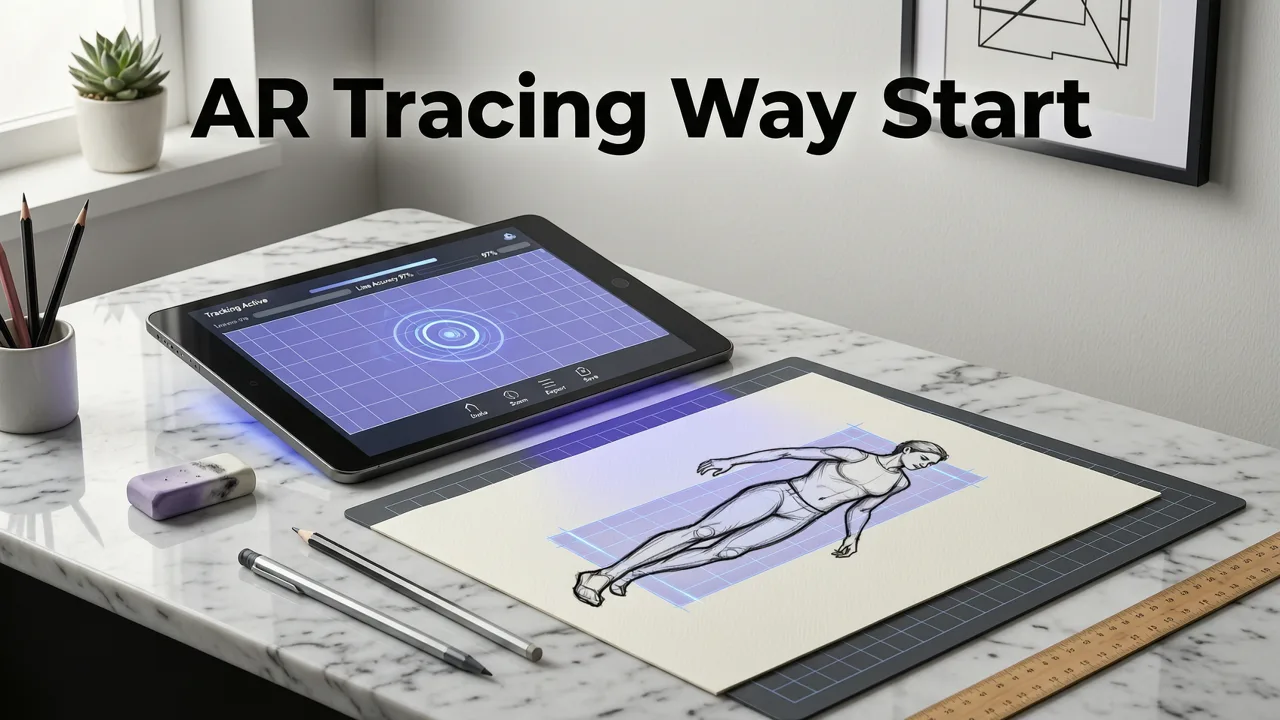
Before you start tracing, make sure your phone is completely stable. Use a phone stand, a stack of books, or a dedicated arm mount to hold your device directly above your paper. If your phone moves while you are tracing, the overlay will shift, ruining your proportions. Taping the corners of your paper to the desk can also prevent it from sliding.
Optimize Your Room Lighting
Because you are looking at a glowing screen projected over physical paper, ambient lighting matters. If your room is too bright, the AR overlay will wash out. If it is too dark, you will struggle to see your pencil on the paper. Aim for soft, indirect lighting. Turning off harsh overhead lights and using a desk lamp angled away from the screen can create the perfect balance.
Use the Right Drawing Tools
While you can use any pencil, a mechanical pencil with a fine lead (like 0.5mm or 0.7mm) is highly recommended for AR tracing. It allows you to draw precise, thin lines that closely follow the digital overlay without obscuring it. Once the base structure is traced, you can switch to softer graphite pencils (like 2B or 4B) to add depth, shading, and texture.
Take Breaks and Step Back
Tracing requires intense focus, and it is easy to get tunnel vision. Every fifteen minutes, step away from your desk, look at your drawing from a distance, and check your progress against the original image. This helps you catch any minor alignment issues before they become major problems and keeps your eyes fresh.
Start Your AR Drawing Journey Today
Finding cool drawing ideas for ar tracing is just the beginning. The real magic happens when you pick up your pencil, align your first overlay, and watch a blank page transform into a detailed, accurate sketch. Augmented reality removes the intimidation factor from drawing, allowing you to build muscle memory and artistic confidence at your own pace.
Whether you are sketching a cute animal, a blooming flower, or a complex geometric pattern, the key is consistency. Pick a subject from the list above, set up your phone, and start tracing. For more step-by-step tutorials, project ideas, and tips to improve your skills, explore the rest of our guides and start creating beautiful art today.